

Delving into the realm of automotive design, the importance of Altium Auto Route shines bright. Let's explore how this tool revolutionizes the design process with its efficiency and precision, captivating engineers worldwide.
Exploring the key features of Altium Auto Route and its impact on automotive PCB design workflow will be our focus in the upcoming sections.
Importance of Altium Auto Route in automotive designs
Altium Auto Route plays a crucial role in optimizing the design processes for automotive PCBs. By automating the routing process, engineers can save time and ensure accuracy in their designs, ultimately leading to higher quality products.
Efficiency and Accuracy Improvement
Using Altium Auto Route significantly improves efficiency by streamlining the design process. With automated routing, engineers can quickly generate connections between components, reducing the risk of errors and ensuring that the design meets all necessary specifications. This efficiency allows engineers to focus on other aspects of the design, leading to faster project completion and overall improved productivity.
Successful Automotive Designs
Many successful automotive designs have been achieved using Altium Auto Route. For example, the implementation of this tool has enabled engineers to create compact and reliable PCB layouts for advanced driver assistance systems (ADAS) and infotainment systems in vehicles. By leveraging the capabilities of Altium Auto Route, engineers can design intricate PCBs that meet the stringent requirements of the automotive industry, ultimately leading to safer and more efficient vehicles on the road.
Key features of Altium Auto Route for automotive designs
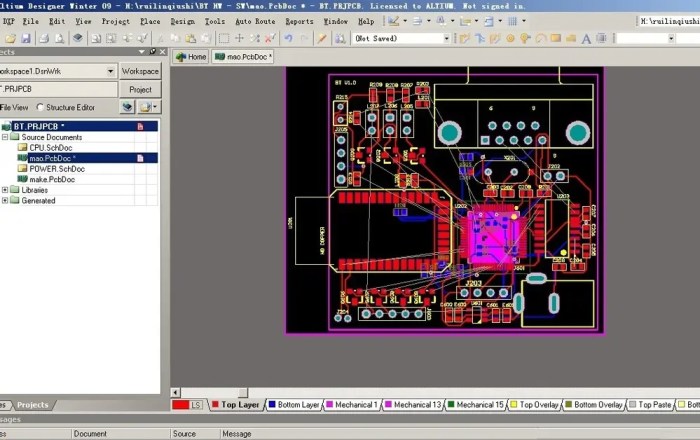
Altium Auto Route offers several key features that make it a preferred choice for engineers in automotive design, enhancing the PCB design workflow specifically for automotive applications.
Interactive Routing
Altium Auto Route provides interactive routing capabilities, allowing engineers to easily route complex PCB designs with precision and efficiency. This feature enables users to quickly create high-quality, error-free routing paths tailored to automotive design requirements.
Advanced Design Rule Checking (DRC)
Altium Auto Route includes advanced design rule checking functionality, ensuring that the PCB design meets the specific requirements and constraints of automotive applications. This feature helps engineers identify and address potential design issues early in the development process, saving time and reducing the risk of errors.
High-Speed Design Support
Altium Auto Route offers support for high-speed design requirements commonly found in automotive applications. Engineers can leverage this feature to optimize signal integrity, minimize electromagnetic interference, and meet the stringent performance standards of automotive electronics.
Comparative Analysis
When compared to other routing tools commonly used in the automotive industry, Altium Auto Route stands out for its user-friendly interface, powerful routing algorithms, and comprehensive design rule checking capabilities. These features combine to streamline the PCB design process and ensure the reliability and performance of automotive electronic systems.
Challenges in automotive design and how Altium Auto Route addresses them
Automotive design projects come with a set of challenges that engineers often face. These challenges can range from complex routing requirements to ensuring signal integrity and minimizing electromagnetic interference. Altium Auto Route offers solutions to these challenges, providing engineers with the tools they need to overcome obstacles effectively.
Signal Integrity and EMI Mitigation
In automotive designs, maintaining signal integrity and minimizing electromagnetic interference (EMI) are crucial. Altium Auto Route helps address these challenges by providing advanced routing capabilities that optimize signal paths and reduce the risk of interference. By automating the routing process, engineers can ensure that signals are transmitted efficiently and accurately, leading to improved performance and reliability in automotive systems.
Complex Routing Requirements
Automotive design projects often involve complex routing requirements due to the intricate nature of modern vehicle systems. Altium Auto Route simplifies the routing process by automatically generating high-quality, optimized routes that meet design specifications. This saves engineers time and effort, allowing them to focus on other critical aspects of the design process.
Example Scenario: High-Speed Data Communication
In a scenario where a vehicle requires high-speed data communication between various electronic control units (ECUs), Altium Auto Route can be instrumental. By automatically routing signal traces with precise impedance control and length matching, the software ensures that data signals are transmitted accurately and without interference.
This level of precision is essential for maintaining the overall performance and reliability of the vehicle's communication network.
Example Scenario: Power Distribution Network
Another common challenge in automotive design is ensuring the efficiency of the power distribution network. Altium Auto Route can optimize the routing of power traces, minimizing voltage drops and ensuring proper current flow throughout the system. This is particularly important in electric vehicles where power efficiency directly impacts battery life and overall performance.
Best practices for utilizing Altium Auto Route in automotive PCB design
When working on automotive projects using Altium Auto Route, it is essential to follow recommended strategies to maximize its potential and efficiency. Proper setup of design rules and constraints is key to achieving optimal results, while troubleshooting common issues can help engineers overcome challenges effectively.
Setting Up Design Rules and Constraints
- Define clear design rules for signal integrity, power distribution, and component placement to ensure a robust automotive PCB layout.
- Establish constraints for trace width, spacing, and routing topologies based on automotive industry standards and requirements.
- Utilize differential pair routing rules to maintain signal integrity and reduce electromagnetic interference in automotive designs.
Troubleshooting Common Issues
- Address routing congestion by adjusting routing priorities, via placement, and design rules to optimize the layout and prevent signal interference.
- Verify the connectivity and continuity of routed traces to avoid open or short circuits that could impact the functionality of automotive PCBs.
- Monitor signal integrity and impedance control throughout the routing process to ensure reliable performance in automotive applications.
Final Conclusion
In conclusion, Altium Auto Route stands as a beacon of innovation in automotive design, offering solutions to common challenges and paving the way for future advancements.
Detailed FAQs
How does Altium Auto Route improve efficiency in automotive designs?
Altium Auto Route streamlines the design process by automating routing and optimizing the layout, saving time and increasing accuracy.
What sets Altium Auto Route apart from other routing tools in the automotive industry?
Altium Auto Route offers advanced features specifically tailored for automotive applications, enhancing the overall PCB design workflow.
Can Altium Auto Route help overcome complex automotive design challenges?
Yes, Altium Auto Route provides solutions to common challenges faced in automotive projects, ensuring smoother design processes.
What are some best practices for utilizing Altium Auto Route in automotive PCB design?
Maximizing the potential of Altium Auto Route involves setting up design rules, constraints, and troubleshooting common issues effectively.