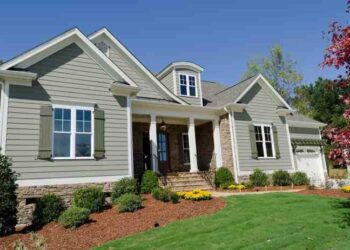

Embark on a journey through the world of global siding and roofing, where quality meets innovation and sustainability. From the diverse materials to the cutting-edge designs, this topic explores the essence of construction excellence on a global scale.
As we delve deeper, we uncover the intricacies of siding and roofing systems that shape modern architecture and construction practices worldwide.
Introduction to Global Siding and Roofing
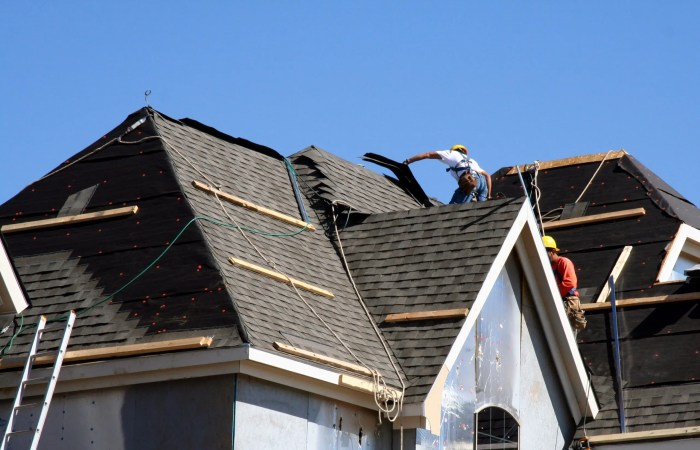
Global siding and roofing play a crucial role in the construction industry, providing protection, insulation, and aesthetics to buildings worldwide. Quality siding and roofing are essential components of any construction project, ensuring durability and longevity in various climates and environments.
Key Materials Used in Global Siding and Roofing Systems
- Asphalt Shingles: Commonly used for roofing, offering affordability and versatility in design.
- Metal Roofing: Known for its durability and resistance to extreme weather conditions.
- Vinyl Siding: Popular choice for siding due to its low maintenance and wide range of colors.
- Fiber Cement: Provides a durable and fire-resistant option for both siding and roofing.
Popular Global Siding and Roofing Designs
- Modern Minimalist: Clean lines, simple colors, and sleek materials characterize this design trend.
- Rustic Charm: Embracing natural materials like wood and stone for a warm and inviting look.
- Contemporary Elegance: Mixing traditional and modern elements for a sophisticated appearance.
- Eco-Friendly: Utilizing sustainable materials and energy-efficient features for environmentally conscious projects.
Types of Siding Materials
When it comes to siding materials, there are various options available globally, each with its own set of characteristics and benefits.
Vinyl Siding
- Vinyl siding is a popular choice due to its affordability and low maintenance requirements.
- It is durable and resistant to rot, moisture, and insects.
- However, extreme weather conditions can cause fading or cracking over time.
- It is considered to have a moderate environmental impact during production but is recyclable.
Fiber Cement Siding
- Fiber cement siding is known for its durability and resistance to fire, moisture, and insects.
- It requires minimal maintenance and has a longer lifespan compared to other materials.
- However, it is heavier and more expensive than vinyl siding.
- The production of fiber cement siding has a higher environmental impact due to the materials used.
Wood Siding
- Wood siding offers a timeless and natural look, adding warmth and character to a home.
- It requires regular maintenance such as painting or staining to prevent rot or decay.
- While wood siding is biodegradable and renewable, it is susceptible to pests and moisture.
- Its environmental impact varies depending on the source of the wood.
Aluminum Siding
- Aluminum siding is lightweight, durable, and resistant to fire, rot, and insects.
- It requires minimal maintenance and is recyclable.
- However, aluminum siding can dent easily and is prone to fading over time.
- The production of aluminum siding has a moderate environmental impact due to the energy-intensive process.
Roofing Systems and Designs
When it comes to roofing systems, there are various designs used around the world to cater to different climatic conditions and architectural preferences. Proper roof design plays a crucial role in ensuring the durability and efficiency of a building, especially in regions with extreme weather conditions.
Different Roofing Systems Used Globally
- Flat Roofing: Commonly seen in urban areas, flat roofs allow for additional living space or recreational areas on top of buildings.
- Pitched Roofing: Typically used in areas with heavy rain or snowfall to allow water and snow to easily run off the roof.
- Green Roofing: Growing in popularity for its eco-friendly benefits, green roofs are covered with vegetation to improve insulation and reduce energy costs.
Importance of Proper Roof Design in Different Climates
The design of a roof should be tailored to the specific climate of a region to ensure optimal performance. For instance, in hot climates, roofs with reflective materials can help reduce heat absorption and decrease cooling costs.
Role of Insulation in Roofing Systems for Energy Efficiency
- Proper insulation is essential in roofing systems to prevent heat loss in colder climates and maintain a comfortable indoor temperature.
- Insulation also helps in reducing energy consumption by minimizing the need for heating and cooling systems, leading to cost savings in the long run.
Examples of Innovative Roofing Designs in Global Architecture
- Solar Roofing: Integrating solar panels into the roof design to harness renewable energy and reduce reliance on traditional power sources.
- Tensile Roofing: Using tensile structures to create unique and visually appealing roof designs that offer flexibility and durability.
- Living Roofing: Incorporating living vegetation on the roof not only enhances aesthetics but also provides natural insulation and promotes environmental sustainability.
Sustainable Practices in Siding and Roofing
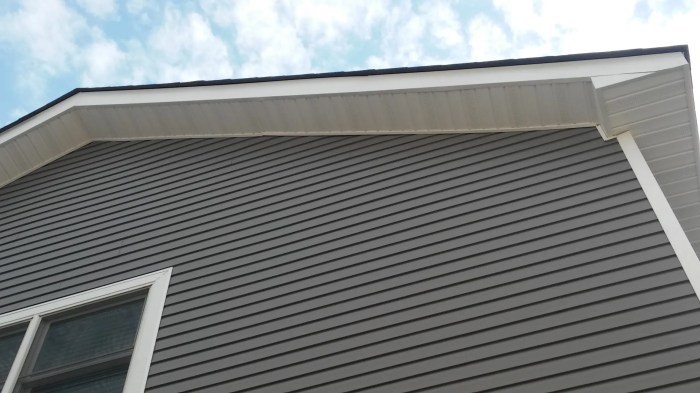
When it comes to global siding and roofing projects, sustainable practices are becoming increasingly important. These practices focus on using environmentally friendly materials and designs to reduce the impact on the environment.
Use of Eco-Friendly Materials
One of the key sustainable practices in siding and roofing is the use of eco-friendly materials. This includes materials that are renewable, recyclable, or biodegradable. Examples include recycled metal, reclaimed wood, and sustainable composite materials.
Benefits of Green Roofs
Green roofs are an innovative sustainable roofing solution that offers a range of benefits. They help reduce energy costs by providing natural insulation, improve air quality by absorbing pollutants, and reduce stormwater runoff by absorbing rainwater. Additionally, green roofs can create green spaces in urban areas, promoting biodiversity and improving overall well-being.
Trends in Sustainable Siding and Roofing
- Integration of solar panels: Many sustainable projects now incorporate solar panels into the roofing system to generate clean energy.
- Use of cool roofs: Cool roofs are designed to reflect sunlight and absorb less heat, reducing the need for air conditioning and lowering energy consumption.
- Water harvesting systems: Sustainable siding and roofing projects often include water harvesting systems to collect rainwater for reuse, reducing the strain on municipal water sources.
- Focus on durability and longevity: Sustainable practices prioritize durable materials and designs that have a longer lifespan, reducing the need for frequent replacements and minimizing waste.
Summary
In conclusion, the realm of global siding and roofing is a dynamic landscape where creativity and functionality converge to define the future of construction. From traditional styles to eco-friendly trends, the possibilities are endless in creating structures that stand the test of time.
FAQ Resource
What are the most common materials used in global siding and roofing?
The most common materials include vinyl, wood, fiber cement, and metal for siding, while roofing materials range from asphalt shingles to clay tiles.
How do different siding materials impact the environment?
While some materials like wood may be renewable, others like vinyl can have a negative environmental impact due to production processes. It's essential to consider sustainability when choosing siding materials.
What role does insulation play in energy-efficient roofing systems?
Insulation is crucial in maintaining energy efficiency by preventing heat loss in colder climates and minimizing heat gain in warmer regions, reducing the need for excess heating or cooling.
Why are green roofs becoming popular in sustainable architecture?
Green roofs offer numerous benefits, such as improved air quality, reduced urban heat island effect, and enhanced insulation properties, making them a popular choice for sustainable building practices.
Embark on a journey through the world of global siding and roofing, where quality meets innovation and sustainability. From the diverse materials to the cutting-edge designs, this topic explores the essence of construction excellence on a global scale.
As we delve deeper, we uncover the intricacies of siding and roofing systems that shape modern architecture and construction practices worldwide.
Introduction to Global Siding and Roofing
Global siding and roofing play a crucial role in the construction industry, providing protection, insulation, and aesthetics to buildings worldwide. Quality siding and roofing are essential components of any construction project, ensuring durability and longevity in various climates and environments.
Key Materials Used in Global Siding and Roofing Systems
- Asphalt Shingles: Commonly used for roofing, offering affordability and versatility in design.
- Metal Roofing: Known for its durability and resistance to extreme weather conditions.
- Vinyl Siding: Popular choice for siding due to its low maintenance and wide range of colors.
- Fiber Cement: Provides a durable and fire-resistant option for both siding and roofing.
Popular Global Siding and Roofing Designs
- Modern Minimalist: Clean lines, simple colors, and sleek materials characterize this design trend.
- Rustic Charm: Embracing natural materials like wood and stone for a warm and inviting look.
- Contemporary Elegance: Mixing traditional and modern elements for a sophisticated appearance.
- Eco-Friendly: Utilizing sustainable materials and energy-efficient features for environmentally conscious projects.
Types of Siding Materials
When it comes to siding materials, there are various options available globally, each with its own set of characteristics and benefits.
Vinyl Siding
- Vinyl siding is a popular choice due to its affordability and low maintenance requirements.
- It is durable and resistant to rot, moisture, and insects.
- However, extreme weather conditions can cause fading or cracking over time.
- It is considered to have a moderate environmental impact during production but is recyclable.
Fiber Cement Siding
- Fiber cement siding is known for its durability and resistance to fire, moisture, and insects.
- It requires minimal maintenance and has a longer lifespan compared to other materials.
- However, it is heavier and more expensive than vinyl siding.
- The production of fiber cement siding has a higher environmental impact due to the materials used.
Wood Siding
- Wood siding offers a timeless and natural look, adding warmth and character to a home.
- It requires regular maintenance such as painting or staining to prevent rot or decay.
- While wood siding is biodegradable and renewable, it is susceptible to pests and moisture.
- Its environmental impact varies depending on the source of the wood.
Aluminum Siding
- Aluminum siding is lightweight, durable, and resistant to fire, rot, and insects.
- It requires minimal maintenance and is recyclable.
- However, aluminum siding can dent easily and is prone to fading over time.
- The production of aluminum siding has a moderate environmental impact due to the energy-intensive process.
Roofing Systems and Designs
When it comes to roofing systems, there are various designs used around the world to cater to different climatic conditions and architectural preferences. Proper roof design plays a crucial role in ensuring the durability and efficiency of a building, especially in regions with extreme weather conditions.
Different Roofing Systems Used Globally
- Flat Roofing: Commonly seen in urban areas, flat roofs allow for additional living space or recreational areas on top of buildings.
- Pitched Roofing: Typically used in areas with heavy rain or snowfall to allow water and snow to easily run off the roof.
- Green Roofing: Growing in popularity for its eco-friendly benefits, green roofs are covered with vegetation to improve insulation and reduce energy costs.
Importance of Proper Roof Design in Different Climates
The design of a roof should be tailored to the specific climate of a region to ensure optimal performance. For instance, in hot climates, roofs with reflective materials can help reduce heat absorption and decrease cooling costs.
Role of Insulation in Roofing Systems for Energy Efficiency
- Proper insulation is essential in roofing systems to prevent heat loss in colder climates and maintain a comfortable indoor temperature.
- Insulation also helps in reducing energy consumption by minimizing the need for heating and cooling systems, leading to cost savings in the long run.
Examples of Innovative Roofing Designs in Global Architecture
- Solar Roofing: Integrating solar panels into the roof design to harness renewable energy and reduce reliance on traditional power sources.
- Tensile Roofing: Using tensile structures to create unique and visually appealing roof designs that offer flexibility and durability.
- Living Roofing: Incorporating living vegetation on the roof not only enhances aesthetics but also provides natural insulation and promotes environmental sustainability.
Sustainable Practices in Siding and Roofing
When it comes to global siding and roofing projects, sustainable practices are becoming increasingly important. These practices focus on using environmentally friendly materials and designs to reduce the impact on the environment.
Use of Eco-Friendly Materials
One of the key sustainable practices in siding and roofing is the use of eco-friendly materials. This includes materials that are renewable, recyclable, or biodegradable. Examples include recycled metal, reclaimed wood, and sustainable composite materials.
Benefits of Green Roofs
Green roofs are an innovative sustainable roofing solution that offers a range of benefits. They help reduce energy costs by providing natural insulation, improve air quality by absorbing pollutants, and reduce stormwater runoff by absorbing rainwater. Additionally, green roofs can create green spaces in urban areas, promoting biodiversity and improving overall well-being.
Trends in Sustainable Siding and Roofing
- Integration of solar panels: Many sustainable projects now incorporate solar panels into the roofing system to generate clean energy.
- Use of cool roofs: Cool roofs are designed to reflect sunlight and absorb less heat, reducing the need for air conditioning and lowering energy consumption.
- Water harvesting systems: Sustainable siding and roofing projects often include water harvesting systems to collect rainwater for reuse, reducing the strain on municipal water sources.
- Focus on durability and longevity: Sustainable practices prioritize durable materials and designs that have a longer lifespan, reducing the need for frequent replacements and minimizing waste.
Summary
In conclusion, the realm of global siding and roofing is a dynamic landscape where creativity and functionality converge to define the future of construction. From traditional styles to eco-friendly trends, the possibilities are endless in creating structures that stand the test of time.
FAQ Resource
What are the most common materials used in global siding and roofing?
The most common materials include vinyl, wood, fiber cement, and metal for siding, while roofing materials range from asphalt shingles to clay tiles.
How do different siding materials impact the environment?
While some materials like wood may be renewable, others like vinyl can have a negative environmental impact due to production processes. It's essential to consider sustainability when choosing siding materials.
What role does insulation play in energy-efficient roofing systems?
Insulation is crucial in maintaining energy efficiency by preventing heat loss in colder climates and minimizing heat gain in warmer regions, reducing the need for excess heating or cooling.
Why are green roofs becoming popular in sustainable architecture?
Green roofs offer numerous benefits, such as improved air quality, reduced urban heat island effect, and enhanced insulation properties, making them a popular choice for sustainable building practices.